An unfamiliar person gasps and after that goes quiet on a café floor. Chairs scuff, a person yells for help, and the room tightens around a single inquiry: that will start CPR? The difference in between life and loss can be a pair of steady hands and the will to act in the first two minutes. Many people freeze not because they do not care, but due to the fact that they do not trust their technique, or they worry about making points worse. That reluctance is human. It is also something you can decrease with a little knowledge, a bit of method, and a clear mental checklist you can bring up under pressure.
I have actually taught thousands of people their first breast compression. The same faces appear on a monthly basis: parents of infants, new trainers, teachers, tradies with a recent scare on website, grandparents, senior high school pupils going after a first aid certificate, and healthcare-adjacent staff who want to feel less powerless outside their normal setup. Nearly all of them get here with some version of the same worry. They leave with something quieter and stronger. Not absolute confidence, due to the fact that CPR is hard work and never clean, but a feeling that they can do the next ideal point and keep going until aid arrives.

This short article has to do with constructing that muscle mass. It blends what the research study states about CPR with what actually takes place beside a pool, in a kitchen, or on a bus. If you are brand new, you will learn what to do and why. If you have actually been with a first aid and CPR course but feel corroded, you will obtain a practical refresher course and tools for staying ready.
Why hesitation happens, and exactly how to defuse it
The very same fears show up in every first aid training session. Individuals inform me they are afraid of breaking ribs, doing the wrong point, or being condemned later. Others fret about mouth to mouth, illness transmission, or legal risk. Each fear has a reasonable core, and comprehensive CPR and first aid courses each can be addressed.
The rib concern is actual. Efficient compressions typically break cartilage material or even ribs, especially in older adults. That sound, a sharp pop, can rattle you. It likewise means you reached the depth needed to distribute blood. Broken ribs recover. Brains do not recuperate well from extended oxygen loss. When I state this in a CPR course, shoulders unclench and hands press with a bit more resolve.
What regarding doing the wrong point? Below is the blunt truth: if a grownup is less competent and not breathing normally, you will not make points even worse by beginning CPR. A person with a beating heart does not sleep quietly with strenuous compressions. Your check for responsiveness and typical breathing is your guardrail. Deal with gasps like agonal breathing, not normal respiration. If unsure, begin CPR and be ready to stop if the person awakens or starts breathing normally.
Mouth to mouth frightens some people, particularly given that the pandemic made droplet threat extra natural. Hands-only CPR works in the very first couple of minutes for the majority of grown-up out-of-hospital cardiac arrests. If you are untrained, resistant, or unable to provide rescue breaths, remain on compressions. For kids and babies, and for drowning, overdose, or asphyxial apprehensions, including breaths enhances outcomes. In method, lots of bystanders do at least a few rescue breaths when guided by a dispatcher or prompted by an AED unit that provides voice instructions. If you carry a face shield from a first aid course, that obstacle may decide easier in the moment.
Legal issues differ by country, yet Do-gooder legislations typically secure individuals who give reasonable support without expectation of repayment. In every first aid and CPR course I have actually instructed, we evaluate the neighborhood version of that protection. In my experience, the lawful risk of helping in good belief is small compared to the moral and individual cost of seeing a person die when you can have helped.
Finally, people fret that they will certainly not bear in mind the steps. That is regular. Under anxiety, your mind simplifies. That is why I instructor trainees to secure on a three-part loophole: check, telephone call, compress. You can add nuance later on, however those three C's move your body prior to your anxiety takes over.
What a heart attack resembles in genuine life
Textbook heart attack is tidy: collapse, unresponsiveness, no normal breathing, no pulse. Real life adds noise. You might see seizure-like activities in the initial seconds after collapse, which spectators mistake for epilepsy. You may hear agonal gasps, which seem like snoring or erratic snorts. Skin may turn pale or grey. There is frequently a beat of complication before any person acts.

Two quick monitorings can obtain you oriented. First, talk and tap the person strongly on the shoulders. No feedback and no purposeful activity are warnings. Second, appearance, listen, and really feel for normal breathing for approximately ten seconds. If you are staring at the chest for even more than that, you are postponing the only treatment that matters. Agonal breathing is not typical. If you are uncertain, default to CPR.
Anecdotally, the most trustworthy social cue is the room itself. When a group goes silent and nobody steps in, that is your sign to take a role, also if you are shaking. Select a loud voice in the space and tell them exactly what to do: "You in heaven tee shirt, phone call emergency services, tell them we have a cardiac arrest, and put it on speaker." Then inform somebody else to discover an AED and bring it back. Clear, direct projects punctured the fog.
Hands-only CPR, with enough information to count on yourself
You do not need a pile of certifications to begin. On an adult, hands-only CPR can double or triple survival if started rapidly and sustained. Below is the minimal variation that functions well in the field.
- Call emergency situation solutions on audio speaker. If you are alone and you have a smart phone, start the telephone call as soon as you realize the person is less competent and not breathing typically. Put the phone on the ground next to you on audio speaker. Adhere to dispatcher instructions. Start hard, quick compressions in the center of the chest. Heel of hand on the reduced half of the breast bone, the various other hand on top. Arms right, shoulders over your hands. Push down at least 5 centimeters, about a 3rd of the upper body depth, and allow the breast completely recoil between compressions. Aim for 100 to 120 per minute. Think of the beat of "Stayin' Alive." Do not quit till an AED informs you to, the individual wakes and breathes typically, an additional rescuer takes over, or you are also worn down to continue.
That is the core. If you have learnt rescue breaths, add them in cycles, however do not allow breaths break your rhythm or introduce long stops briefly. Quality compressions keep blood moving to the brain and heart. Everything else is secondary.
Rescue breaths that work in the mess and noise
If you are willing and able to provide breaths, a few specifics help you provide beneficial air flows without wasting time. After thirty compressions, open the respiratory tract with a head tilt and chin lift unless you presume spine injury from a fall or collision, in which situation make use of a jaw thrust if you know it. Squeeze the nose, secure your mouth over theirs, and give a breath simply enough to see the upper body surge, regarding one second. Allow the breast to fall. Give a 2nd breath and return instantly to compressions. Too much air or pressure can pump up the tummy, causing vomiting. If vomit happens, roll the individual onto their side, clear the respiratory tract with a sweep if you can see debris, after that roll back and continue.
For kids and infants, breaths matter more. In pediatric medicines, hypoxia from sinking, choking, or respiratory illness is a typical reason for apprehension. For a lone rescuer with a child, provide 5 first rescue breaths before beginning cycles of thirty compressions and two breaths. For an infant, use 2 fingers for compressions just below the nipple area line, about 4 centimeters deep, and preserve a mild seal over both mouth and nose for breaths. If a second rescuer exists, the compression to ventilation ratio changes to fifteen to two for children and infants.
AEDs: simple devices that transform panic into a plan
If CPR gets time, an AED usually purchases the actual reboot. Cardiac arrests more than likely to be reversed by an electric shock begin with rhythms like ventricular fibrillation. An AED analyzes the heart's rhythm and either encourages a shock or guides you to proceed CPR. These boxes are developed for laypeople. The lid opens and a tranquil voice takes over.
The fastest rescues happen when somebody is already moving to find the nearest AED while compressions have started. Public places frequently upload AED areas on an environment-friendly indication with a heart and lightning bolt. Shopping centers, fitness centers, airports, train stations, workplace towers, and showing off clubs prevail websites. If you attend a first aid course, ask where the AEDs remain in your building and analyze just how you would obtain one swiftly. That thirty-second psychological practice session, done in a quiet moment, shortens delays when secs matter.
When the AED gets here, power it on and follow the voice motivates. Expose the upper body. The system's diagram reveals pad placement, typically one pad high up on the right breast and the various other on the left side under the underarm. If the chest is very perspiring or hairy, clean it completely dry and shave a spot if a razor remains in the package. Do not delay more than a few seconds wrestling with hair. If the individual has a medication spot or a visible implanted gadget, position the pad a minimum of a couple of centimeters away. When attached, stand clear while the AED assesses. If it encourages a shock, make sure nobody is touching the client, press the shock switch when instructed, after that return to compressions immediately. The equipment will certainly direct timing for rhythm checks.
When it is not a heart attack: near-miss scenarios
Not every collapse calls for CPR. An individual that faints may be briefly less competent yet will usually start to rouse within seconds and breathe normally. Somebody choking could be conscious yet quiet with hands at their throat, having a hard time to breathe. A person in a diabetic emergency might be puzzled, clammy, and combative yet breathing.
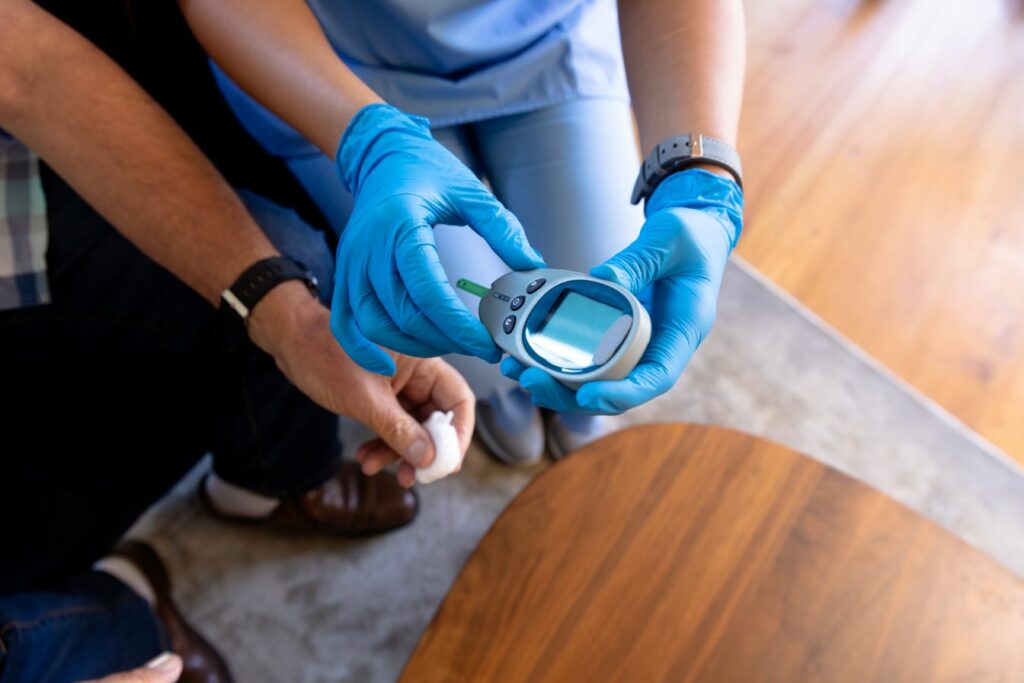
Two heuristics assist. Lack of action plus absence of normal breathing amounts to begin CPR. If both exist, do not search for a pulse. On the various other hand, if the person reacts to a strong voice or starts breathing with a routine rhythm, roll them right into the healing setting on their side and display. If you believe a spinal injury and can not roll safely, keep the respiratory tract open with a jaw thrust and support the head in accordance with the body. For choking, adhere to first aid standards for back impacts and abdominal drives based on age and maternity condition, and be ready to change to CPR if the individual becomes unresponsive.
The physical fact: strategy, exhaustion, and rotation
Even qualified rescuers ignore exactly how literally exhausting great compressions are. Two minutes at the appropriate deepness and price leaves most novices winded. In teams, swap every 2 minutes or at each AED rhythm check, whichever comes first. Introduce the button early to stay clear of lengthy stops. If you are alone, concentrate on high quality: secure your joints, pile your shoulders, and use your aware of drive the movement. Kneel close to the upper body so you are not pushing with outstretched arms. If the surface area is soft, like a bed or couch, drag the individual to the flooring. Compressions on a soft surface waste force.
In a cpr correspondence course, I usually show how much recoil matters. Individuals press hard yet forget to come off the breast between compressions. Complete recoil lets the heart refill with blood. An easy hint is to imagine your hands jumping like a springtime on the breast bone. Push down, release up, keep the pace consistent. A metronome application at 110 beats per min during practice helps your body learn the pace.
After the rescue leaves: what spectators carry
The very first time you carry out CPR, your hands tremble for an hour afterward. Some people throw up in the bathroom and feel embarrassed. Others weep throughout the debrief, not simply from anxiety yet from the strength of unfamiliar people working side by side with one function. Whether the person survives or otherwise, the act of actioning in can settle into your memory in methods you do not expect.
If you ever before do CPR, plan to speak it through with a person you rely on within a day or two. Many rescue services offer a follow-up call or web link to support. If the person does not endure, it does not imply you failed. Bystander CPR doubles or triples chances, but also then, general survival to medical facility discharge for out-of-hospital apprehensions varies from regarding 8 to 12 percent in many regions, greater in places with thick AED networks. What you did matters. It provides a possibility where there was virtually none.
Training that sticks: why a course defeats a video
You can find out a great deal from a great video clip. You can discover even more from a first aid course where a trainer enjoys your hands and offers real-time responses. A high-fidelity manikin that determines deepness and recoil can correct practices you do not feel yourself. In an in-person cpr course, you likewise exercise the choreography with others: someone compressing, one taking care of the airway, one running the AED, one directing and timing. That group circulation issues when 5 individuals that have never satisfied create an instantaneous team over a stranger.
If your schedule is tight, mixed first aid and cpr courses pair online concept with short, hands-on sessions. I have seen students walk in doubtful and go out happy they made time to press on a breast that does not resist. For workplaces, team first aid training can attend to site-specific threats. Building and construction teams run through scenarios on scaffolds and stairways. Swim trainers train for water rescues. Workplace teams learn where their building conceals its AEDs.
If you complete a training course, maintain the rhythm active with short refreshers. A cpr refresher course annually and a full first aid course renewal every three years are common patterns. Lots of companies send micro-drills by email: a one-minute video clip and a thirty-second technique drill to do at your workdesk. If you have a clever audio speaker or a phone timer, set it to 110 beats per minute for sixty secs and technique compressions on a cushion as soon as a month. Skill decay is actual, and little routines blunt it.
What to lug and what to understand before you require it
A wallet card that lists the steps serves, yet under anxiety you will rely on the easiest cues and muscle memory. Two little things punch above their weight: a small face shield with a one-way shutoff and a pair of non-latex handwear covers. They take up little area in a bag or handwear cover cpr training Ringwood compartment. If you train, instruct, or handle events, consider an AED orientation walk-through for your group. Technique bring it, opening it, and sticking pads on a manikin. The voice prompts will do the hefty lifting later, however removing unknowns currently pays off.
If you live or work in a structure with safety and security or attendant staff, ask them where the AED is and who holds the key if it is locked. Make sure that response is not a shrug. If you arrange community sporting activities, register your AED with your local emergency situation service if that choice exists. In some areas, dispatchers can route customers to the local signed up device.
Edge cases that deserve a note
These do not come up in every first aid and cpr course, but they matter.
- Pregnancy: If a late-pregnancy individual apprehensions, call for aid, start compressions a little greater on the sternum, and if you have extra hands, by hand displace the womb to the patient's entrusted to improve blood return. If you are trained and in a medical setup, specialized protocols use. As a lay rescuer, do top quality CPR and get advanced aid fast. Hypothermia: A cold individual may have really slow breathing. Take up to 10 seconds to evaluate. If not breathing usually, begin CPR and continue longer than common. AEDs can still be used. Manage delicately to prevent causing arrhythmias. Opioid overdose: If you think overdose, focus on rescue breaths in addition to compressions. If naloxone is offered and you are educated, administer it immediately. Even if the person wakes, they might relapse into respiratory depression. Display closely. Trauma: If significant blood loss exists, apply firm straight stress with fabric or a plaster. If you presume back injury, minimize neck activity, yet do not delay CPR if the person is not taking a breath generally. Hemorrhaging control and oxygenation share priority.
Building a calmer very first feedback at work and home
Organizations frequently watch first aid and cpr courses as compliance checkboxes. The smarter technique treats them as culture contractors. People that practice with each other react together with less friction. In one storage facility I worked with, the team mapped their AED routes and timed how much time it took to obtain the unit from the front office. It was virtually four minutes throughout a busy change. They installed a 2nd AED on the storehouse wall surface and cut the moment to under a min. In a community playhouse, ushers found out to clear aisles, someone published big AED signs for backstage, and one employee handled the duty of front-of-house case lead during efficiencies. Little changes, large difference.
At home, stroll your household with a basic plan. Where are your house numbers noticeable for paramedics at night? Who satisfies the ambulance at the visual and waves them in? Which neighbor could fetch an AED from the fitness center 2 blocks away? These conversations feel unpleasant up until something takes place. Then they seem like kindness you paid your future self.
How to keep fear from freezing you
When people tell me they could not move, I inquire to rehearse in words. Say out loud, now, somewhere exclusive: "I will examine. I will call. I will compress." It appears ridiculous. It is not. Professional athletes and artists make use of spoken hints to link purpose to activity. Set that with a sensory anchor. I make use of the feeling of my knuckles on the sternum to discover facility breast. Others use the noise of the first click a training manikin. Construct your own trigger: the 2nd tap on the shoulder is your go signal.
If you begin and someone else shows up claiming more training, allow them show you. If they are much first aid diploma training classes better, swap duties. If they are not, keep going and give them a work. "You count compressions out loud." "You function the AED." Direction treatments status anxiousness. People want to help and really feel useful.
Where to go from here
If this is your very first significant check out CPR, take the next step and book a respectable program. Look for first aid courses in your area and try to find companies with experienced instructors and great devices. First aid Pro and other established companies generally provide combined options, weekend break cpr courses, and on-site training for workplaces. Completing a first aid and cpr course gains you a first aid certificate, yet the paper is not the factor. The factor is to feel your hands find the best spot, to see a manikin's chest surge with a properly supplied breath, and to discover your confidence grow as you exercise with an AED.
If you educated years earlier, register for cpr training once again. You will certainly find that standards evolve, tools boosts, and your body fails to remember details you believed were locked in. A brief cpr refresher course restores the rhythm and updates your technique without eating your week.
Most of all, flip your assumption about what heroism looks like. It is not flawless method under excellent conditions. It is a collection of normal choices taken promptly and sustained under stress and anxiety: see, action in, speak up, press down, keep going. If you never need to make use of CPR, the hours you spend in training will still transform just how you move with groups, how you discover departures and AED signs, how you prepare your family. And if the day comes when a room goes quiet and browses for someone to start, you will be the one whose hands already understand what to do.